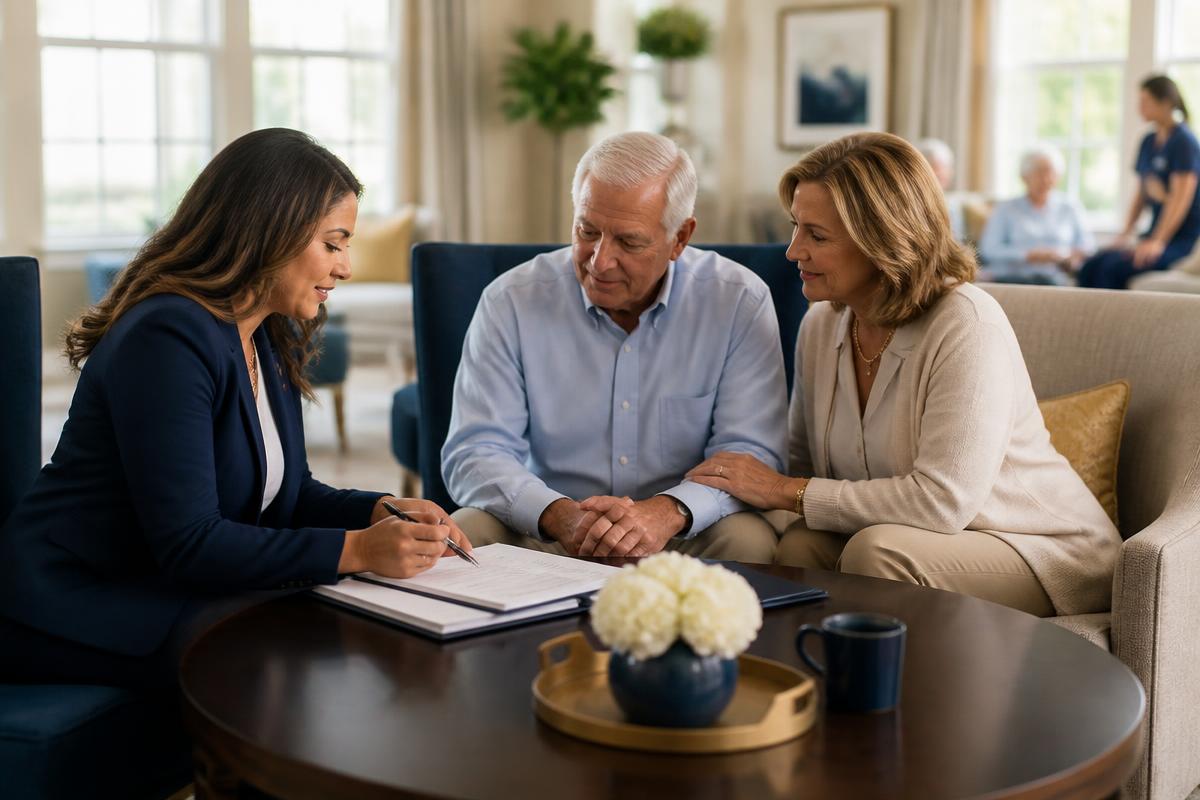
Can a Florida Notary Notarize a Will?
Understand Florida’s two-witness will execution rules, the Notary’s limited role, and how a self-proving affidavit is notarized.
A Florida Notary may perform the notarial act connected with a will, particularly the self-proving affidavit, when all legal requirements are met. The will itself must be executed with at least two attesting witnesses under section 732.502. A Notary does not draft the will or confirm that its provisions are legally effective.
A self-proving affidavit is separate from the basic witness formalities. Under section 732.503, the testator acknowledges the will and the witnesses give sworn affidavits before an authorized officer, whose certificate is attached to or follows the will.
Florida will execution requires two witnesses
The testator signs at the end or directs another person to subscribe the testator’s name in the testator’s presence. The signing or acknowledgment occurs in the presence of at least two attesting witnesses, and the witnesses sign in the presence of the testator and each other.
What the self-proving affidavit does
A properly completed self-proof can allow the will to be admitted to probate without later testimony from a witness in many circumstances. The statutory form includes the testator’s acknowledgment and sworn statements from both witnesses. The Notary identifies the participants, administers required oaths, and completes the certificate.
What a Notary will check
The Notary needs personal appearance, satisfactory identification, awareness, and willingness. Because the witnesses’ signatures on the self-proof are notarized, arrange appropriate witnesses and identification. Do not ask the Notary to serve as a witness to a self-proved will.
- Attorney-prepared final will and self-proof
- Testator and two attesting witnesses together
- Acceptable identification for all persons whose signatures are notarized
- A calm setting without pressure
- Instructions from the drafting attorney
Use an attorney for drafting and advice
Florida will formalities are exacting, and mistakes may surface only after death. A Notary cannot select a will form, advise about beneficiaries, assess testamentary capacity, or promise probate acceptance. Consult a qualified Florida estate-planning attorney.
Why execution instructions matter
A will can fail for reasons a Notary is not authorized to diagnose. The safest practice is to have a Florida estate-planning attorney prepare the document and provide ceremony instructions. Everyone should understand where to sign, who must watch each signature, and which attached affidavit requires an oath.
Do not separate, rearrange, or substitute pages after execution. Keep the original as counsel directs. If an error is discovered, contact the drafting attorney rather than asking a Notary to alter a completed certificate or attach a new page without authority.
- Use the final attorney-approved version
- Keep the testator and two witnesses together
- Complete the self-proof exactly as directed
- Store the original according to legal advice